
Which Puppies Are Best for Assistance Dog Training
The journey to training a reliable assistance dog begins with selecting the right puppy. Not all dogs are suited for assistance work, and choosing the right breed, temperament, and health traits is crucial to ensuring a successful partnership. Assistance dogs require intelligence, patience, confidence, and the ability to work in a variety of real-world settings.
In this guide, we’ll explore the best breeds for assistance dog training, what traits to look for in a puppy, and how to ensure your chosen pup has the potential to become a trusted, capable assistance dog.
What Makes a Puppy Suitable for an Assistance Dog?
Not every puppy has the right temperament, intelligence, or work ethic to become a successful assistance dog. To ensure they can perform their duties effectively, assistance dogs must be calm and confident, comfortable in all kinds of environments, and adaptable to different situations. A nervous or highly reactive puppy is unlikely to adapt well to assistance training.
The best puppies for assistance work are highly trainable, eager to learn, and responsive to commands. Intelligent, problem-solving dogs excel in tasks like mobility support, medical alerts, and anxiety intervention. They should also be naturally social and friendly, as assistance dogs interact with people regularly and need a willingness to engage in a friendly but controlled manner.
Emotional stability is another key trait. Puppies prone to fear, aggression, or excessive excitability are not ideal for assistance work. A good assistance dog remains steady and reliable in any situation. Physical capability also plays a role, as dogs need to be fit enough to perform tasks such as retrieving items, providing physical support, or guiding their handler.
When selecting a puppy, it’s essential to observe their behaviour early on, assessing their confidence, curiosity, and adaptability. A puppy that recovers quickly from new experiences and eagerly engages with people is a strong candidate for assistance dog training.
Best Breeds for Assistance Dog Training
While many breeds possess qualities that make them excellent companions, only certain breeds consistently meet the standards required for assistance dogs. Here are some of the most reliable breeds for assistance dog training.
Labrador Retriever
Labradors are one of the most commonly used breeds for assistance dog training due to their intelligence, patience, and eagerness to please. They are naturally friendly, highly adaptable, and respond well to structured training. Labradors excel in roles such as mobility assistance, medical alert work, and emotional support. Their strong yet gentle nature makes them ideal for individuals needing both physical and emotional support.
Golden Retriever
Golden Retrievers share many of the same qualities as Labradors but tend to be even more people-oriented. Their gentle temperament and natural intelligence make them well-suited for therapy work, guide dog training, and psychiatric assistance. Golden Retrievers form strong bonds with their handlers, which is essential for tasks such as anxiety support and medical detection.
German Shepherd
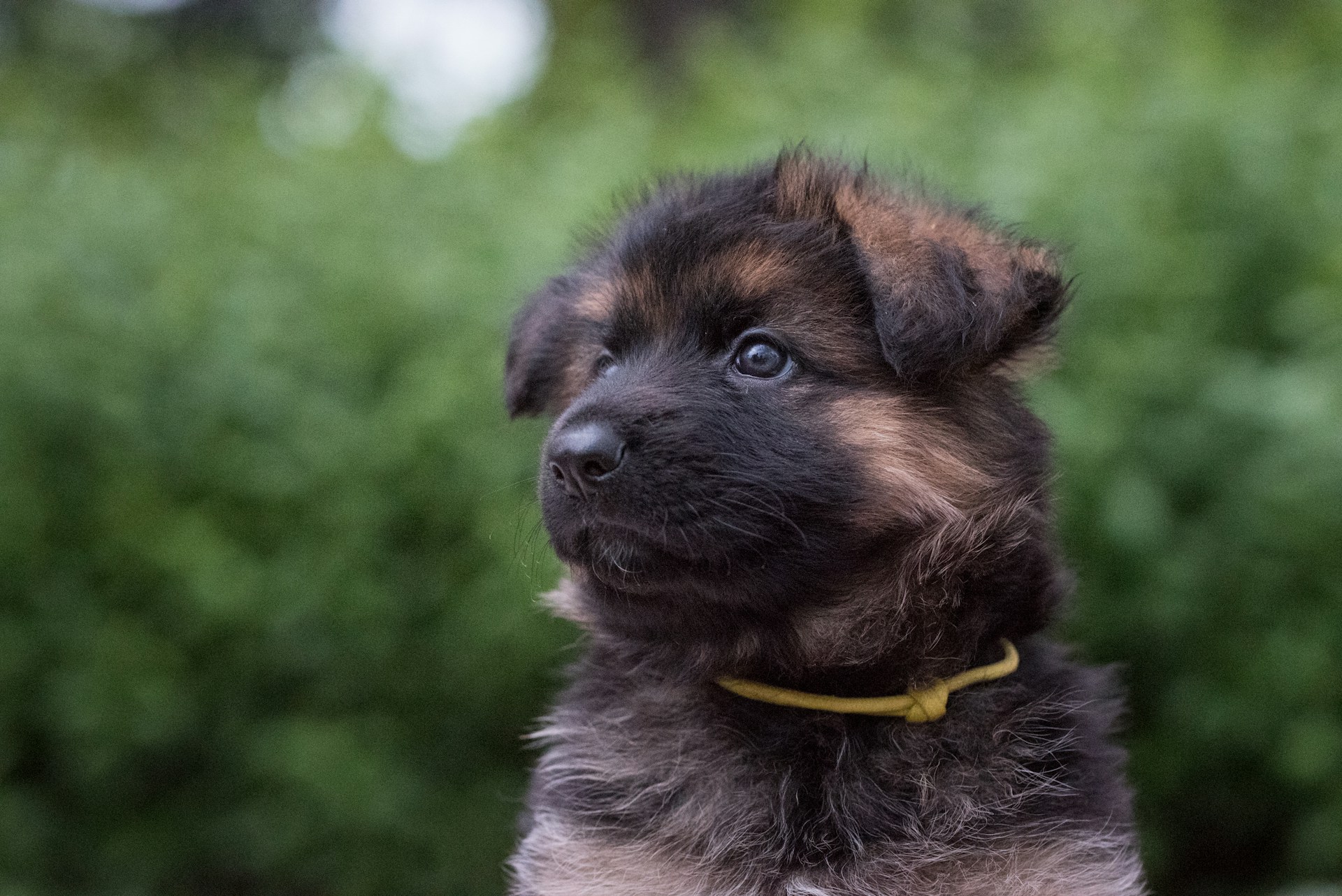
German Shepherds are often used in mobility assistance and guide dog work due to their intelligence, loyalty, and protective nature. While they require firm and structured training, a well-trained German Shepherd is incredibly reliable and devoted to their handler. They are particularly effective in roles that require advanced problem-solving and high levels of obedience.
Cocker Spaniel
For individuals who require a smaller assistance dog, Cocker Spaniels are an excellent choice. They are intelligent, eager to work, and have a naturally affectionate temperament. Cocker Spaniels are often trained for medical alert work, hearing assistance, and anxiety support, where their compact size makes them easy to handle in all environments.
Border Collie
Known for their intelligence and work ethic, Border Collies are highly trainable and excel in assistance work where quick thinking and responsiveness are required. While they have higher energy levels than other assistance breeds, they are often used in medical alert training and psychiatric service work, where their ability to recognise and react to subtle cues is invaluable.
Bernese Mountain Dog
For individuals needing physical assistance and mobility support, Bernese Mountain Dogs are an excellent choice. Their strong, sturdy build allows them to provide balance and stability for handlers with mobility impairments. Despite their size, they are gentle, affectionate, and extremely loyal.
How to Select the Right Puppy for Assistance Dog Training
Finding the right breed is only part of the process—choosing the right puppy from a litter is just as important. The best assistance dog candidates will display confidence without aggression, curiosity, and a willingness to explore new environments without hesitation.
Sociability is another important factor. A puppy that seeks human interaction and enjoys being handled is more likely to bond well with a handler. Adaptability is key as well—puppies that recover quickly from startling experiences, such as loud noises or sudden movements, tend to handle unpredictable environments better.
Reputable breeders and assistance dog training programmes conduct temperament testing to assess a puppy’s suitability. Tests may include observing how a puppy reacts to handling, new environments, or problem-solving tasks to determine their trainability and emotional stability.
Training the Right Puppy for Assistance Work
Once the ideal puppy has been selected, early training and socialisation are essential. Assistance dog training involves basic obedience training such as sit, stay, heel, recall, and leash manners, all of which must be taught early on to create a solid foundation.
Socialisation is just as important. Exposure to different environments, people, and sounds ensures the puppy grows into a well-adjusted, confident dog. Assistance dogs must also learn specific skills tailored to their handler’s needs, such as retrieving items, opening doors, or recognising signs of distress.
Public access training is another critical aspect of assistance dog training. Assistance dogs must remain calm and focused in public spaces, including shops, restaurants, and public transport. Training takes time, consistency, and professional guidance, but ensuring that it is positive, structured, and engaging will develop a confident and capable assistance dog.
Choosing the Best Puppy for an Assistance Dog
Selecting a puppy for assistance dog training is a crucial decision that requires careful consideration of breed traits, temperament, and trainability. Breeds such as Labrador Retrievers, Golden Retrievers, German Shepherds, and Cocker Spaniels consistently excel in assistance roles, but individual personality and adaptability are just as important as breed characteristics.
By choosing a well-suited puppy and investing in structured training, you can ensure they grow into a capable, reliable, and life-changing assistance dog. Whether providing mobility support, medical alerts, or anxiety assistance, the right dog can transform lives with their dedication, intelligence, and unwavering companionship.