
Where Is the Best Place to Buy a Puppy?

Adopting from a shelter or buying from a responsible breeder are your best options for getting a puppy. Shelters offer a wide range of dogs and support animal welfare, while adoption fees are usually lower. If you prefer a specific breed, look for breeders who prioritize health and provide guarantees. Visiting breeders' premises helps you verify they maintain ethical standards. Avoid pet stores, as they often source from puppy mills with poor conditions. Online marketplaces can help connect you with credible breeders, but always research thoroughly. There's more to learn about making a safe and responsible choice.
Consider Adoption Options
When you're looking to add a furry friend to your family, consider adoption options as a rewarding and responsible choice. By choosing to adopt a dog, you're not only welcoming a new pet into your home but also supporting animal shelters and rescue groups. These organizations often offer a wide range of dogs, from playful puppies to calm seniors, all in need of loving homes. Plus, adoption fees are usually lower than those you'd encounter when buying from breeders or pet stores, making it an economical option.
Local animal shelters and breed-specific rescue groups are excellent places to start your search. They have knowledgeable staff enthusiastic to assist in finding a dog that suits your lifestyle and preferences. Regardless of if you're looking for a specific breed or open to mixed breeds, these rescue groups can help you find the perfect match while avoiding the pitfalls of puppy mills.
Adopted dogs often come with crucial medical care, such as vaccinations, spaying/neutering, and microchipping, reducing your initial costs. By adopting, you contribute to reducing overcrowded shelters and promote responsible pet ownership, making a real difference in many dogs' lives.
Identifying Responsible Breeders
Finding a responsible breeder is vital in guaranteeing you bring home a healthy and well-cared-for puppy. Responsible breeders prioritize the health of their puppies and provide health guarantees, confirming the dogs are free from genetic diseases. They often have health clearances for both puppies and their parents. To confirm you're dealing with reputable breeders, consider the following:
- Visit the Breeding Premises: It's important to see where the dogs are raised. Responsible breeders maintain clean, loving environments. This visit allows you to observe how the dogs are treated and if they are well-socialized.
- Engage with Breeders Active in Breed Activities: Reputable breeders often participate in dog shows and breed-related activities. This involvement demonstrates their dedication to improving breed standards and knowledge about purebred dogs.
- Review Contracts Carefully: A responsible breeder's contract should include health guarantees, a return policy, and a commitment to lifelong support. This confirms they care about the welfare of the puppy throughout its life and not just the sale.
Risks of Pet Store Purchases
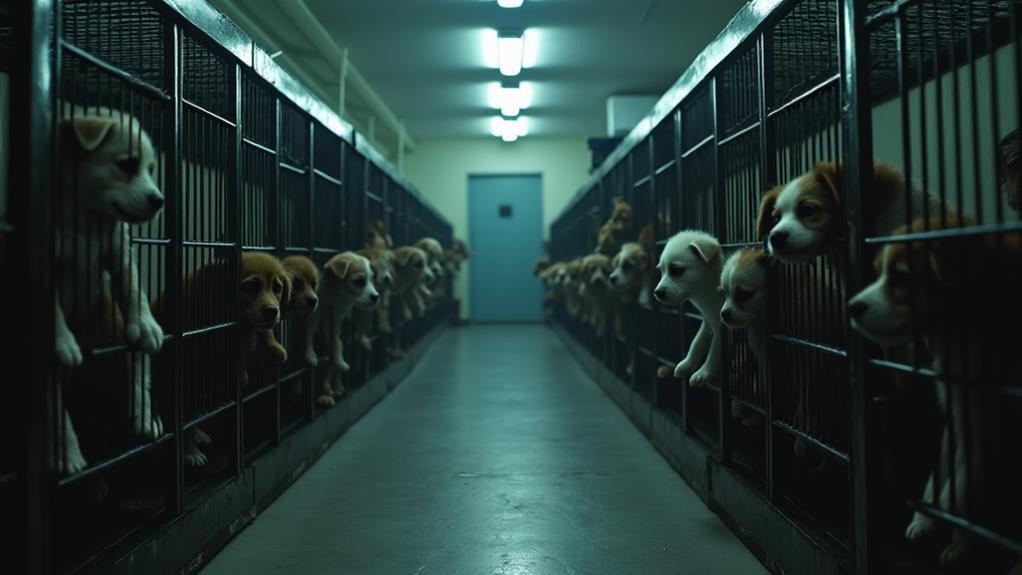
Understanding the importance of choosing a responsible breeder sheds light on the risks associated with purchasing puppies from pet stores. Most pet stores source their puppies from puppy mills, where the conditions are often appalling. These mills prioritize profit over animal welfare, leading to puppies that frequently suffer from health problems and poor socialization. When you buy a puppy from a pet store, you're often unknowingly supporting these unethical practices.
Pet stores commonly misrepresent the origins of their puppies, making it difficult for you to make an informed, ethical choice. This cycle of misinformation and animal suffering continues when pet store purchases are made, discouraging responsible adoption efforts. Instead of contributing to this cycle, consider adopting from shelters or rescue organizations. This not only helps reduce the number of homeless animals but also aligns with a more ethical choice.
Spotting Puppy Mill Tactics
Often, puppy mills disguise themselves as reputable breeders, using misleading advertising to lure unsuspecting buyers. They might claim to raise puppies in family environments, but the reality is often a far cry from their promises. To avoid falling into their trap, stay vigilant for red flags that indicate unethical breeding practices. Here's how you can spot them:
- Lack of Transparency: Genuine breeders will openly discuss their breeding practices and allow you to visit their premises. If there's reluctance to show you where the puppies are raised, be wary.
- Inadequate Health Clearances: A reputable breeder provides health clearances for both puppies and their parents, ensuring you're informed about any genetic issues. If these documents are unavailable, consider it a warning sign.
- Misleading Descriptions: Ads promoting "home-raised" puppies are common tactics for puppy mills. Always ask for verifiable information about the living conditions and care of the puppies.
Purchasing from puppy mills supports inhumane conditions, leading to health and behavioral issues in dogs. If you suspect a breeding operation is a puppy mill, it's essential to report it to local authorities. By doing so, you help end the cycle of animal suffering.
Understanding Online Marketplaces
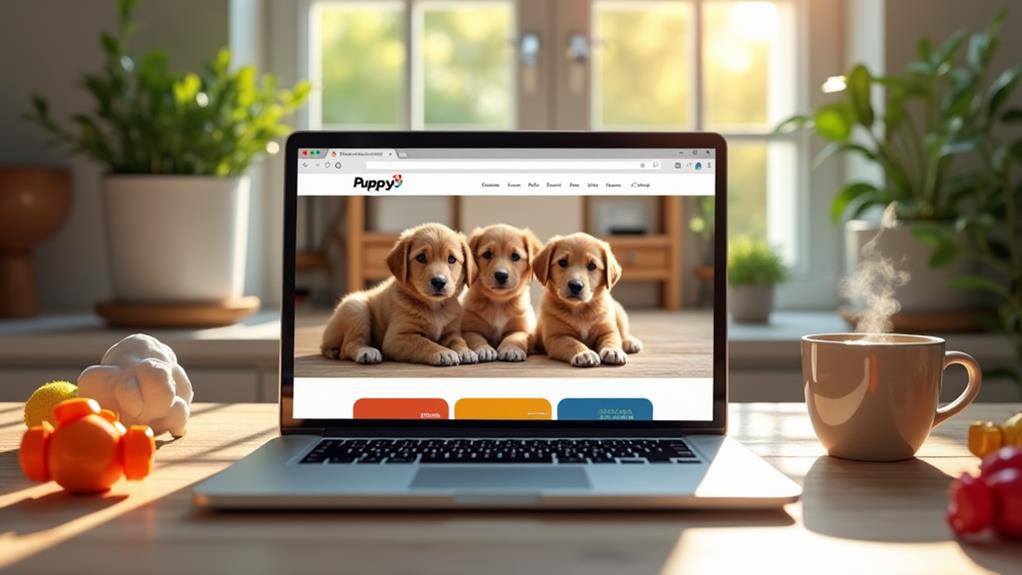
In the present digital age, online marketplaces have become a convenient option for finding your next furry family member. Platforms like Pawrade and Puppy Spot help connect you with reputable breeders, prioritizing animal welfare through rigorous screening processes. These marketplaces guarantee that the breed of dog you're interested in is sourced responsibly, reducing the risk of supporting unethical practices.
Websites such as Good Dog and PuppyFinder offer a wealth of educational resources, helping you make informed decisions about which breed of dog suits your lifestyle best. These platforms guide you in understanding the nuances of different breeds, guaranteeing compatibility before you commit to bringing a puppy home. Moreover, Camlist stands out with its pet video cam feature, providing a unique opportunity to observe puppies in their natural habitat, which adds a layer of transparency to the buying process.
Utilizing reviews and testimonials on these online marketplaces is vital. They provide insights into breeder reliability and the general quality of service, helping you make a confident choice. By leveraging these tools and resources, you can navigate the world of online puppy buying with greater assurance and find the perfect companion for your family.
Tips for Safe Puppy Buying
Acquiring a puppy can be an exciting endeavor, but it's vital to prioritize safety and responsibility throughout the process. To guarantee a healthy and happy addition to your family, focus on making informed choices. Start by researching and choosing reputable breeders or adoption agencies. They should provide health clearances and vet records, which are significant for your puppy's well-being. Here are some tips to help you navigate the buying process safely:
- Request a Written Contract: Before you buy a puppy, always ask for a written contract. It should outline the terms of sale, return policies, and health guarantees. This document protects your investment and safeguards the puppy's welfare.
- Visit Breeding Premises: Reputable breeders will invite you to visit their premises or let you meet the puppies in person. This transparency helps you assess the environment where the puppy is raised.
- Watch for Red Flags: Be cautious of unusually low prices, sellers who provide little information, or those using pressure tactics. These can be signs of unethical practices.