
What Your Vet Checks That You Probably Don't Notice
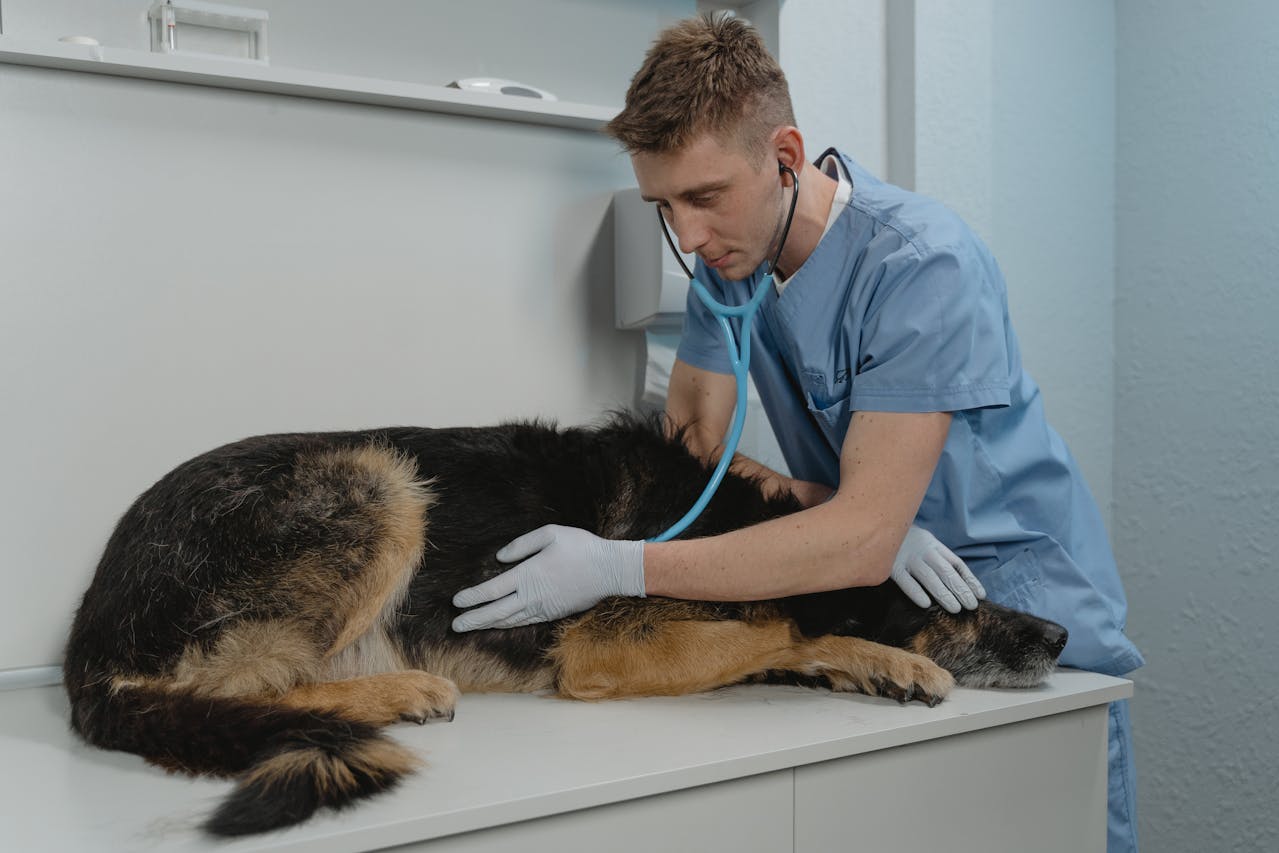
When you take your pet to the vet, you probably focus on the obvious stuff - the shots, maybe getting weighed, and discussing whatever problem brought you there in the first place. But while you're chatting with the vet or trying to keep your pet calm, there's actually a lot more happening during that examination than most people realize.
Vets are trained to spot problems that pet owners miss completely. They're looking at things you've never thought to check, feeling for things you wouldn't know how to find, and noticing changes that seem totally normal to you. Understanding what your vet is really doing during those examinations can help you better care for your pet at home and know when something needs professional attention.
The Eyes Tell a Story
One of the first things vets check is your pet's eyes, and they're looking for way more than just obvious problems like discharge or cloudiness. The eyes can reveal issues with the liver, kidneys, blood pressure, and even brain function.
Vets look at the color of the whites of your pet's eyes and the inside of the eyelids. Pale colors can indicate anemia or blood loss, while yellow tints might suggest liver problems. They also check how the pupils respond to light, which can reveal neurological issues or eye diseases.
The surface of the eye gets examined too. Vets look for tiny scratches, dry spots, or changes in the cornea that could cause pain or vision problems. They also check that both eyes move together properly and that your pet can track moving objects normally.
Many eye problems develop slowly, so you might not notice changes at home. Your pet could be losing vision gradually or developing cataracts, and you'd adapt to their changing behavior without realizing there's a medical issue.
Listening to More Than Just the Heart
When vets use that stethoscope, they're doing much more than checking if the heart is beating. They listen to the heart rate, rhythm, and the quality of the sounds. Different types of heart problems create different types of unusual sounds that trained ears can detect.
Heart murmurs are common findings that pet owners rarely notice at home. Some murmurs are harmless, but others indicate serious heart conditions that need monitoring or treatment. Vets can hear these murmurs long before pets show obvious symptoms like difficulty breathing or reduced activity.
Lung sounds are just as important as heart sounds. Vets listen for crackling, wheezing, or other abnormal sounds that could indicate infections, fluid buildup, or other respiratory problems. They also check that both sides of the chest sound equal and normal.
Professional veterinary services perth can detect heart and lung problems during routine examinations, often catching issues before they become serious enough for pet owners to notice symptoms at home.
Temperature and What It Really Means
Taking your pet's temperature might seem straightforward, but vets use this information in ways that go beyond just checking for fever. Body temperature helps indicate infection, pain levels, stress, and how well various body systems are functioning.
Low body temperature can be just as concerning as high temperature, sometimes indicating shock, severe infection, or other serious problems. Vets also consider your pet's temperature along with other factors like heart rate and breathing to get a complete picture of their condition.
The location where temperature is taken matters too. Rectal temperatures are most accurate, and vets are trained to take them quickly and safely. Ear thermometers and other methods can be less reliable, especially in animals with ear problems or lots of fur.
Temperature changes can happen quickly in sick animals, so what seems normal at home might be different by the time you reach the vet's office. This is why vets always check temperature as part of routine examinations.
Mouth and Dental Examination
Most pet owners look at their pet's teeth occasionally, but vets do a much more thorough oral examination. They check not just for tartar buildup and bad breath, but for signs of pain, infection, tumors, and other problems.
Gum color tells vets a lot about circulation and overall health. Pale gums can indicate anemia or blood loss, while blue or gray gums suggest oxygen problems. Red, swollen gums indicate infection or inflammation that could be affecting the whole body.
Vets look at individual teeth for chips, cracks, or unusual wear patterns that could indicate pain or behavior problems. They also check for loose teeth, infections at the gum line, and signs of oral tumors that can develop without obvious symptoms.
The back of the mouth gets examined too, including the throat and tongue. Problems in these areas can affect eating, breathing, and overall comfort, but they're impossible for pet owners to see properly at home.
Feeling for Things You Can't See
The physical examination involves a lot of gentle touching and feeling that reveals problems under the skin. Vets palpate the abdomen to check organ size and detect masses, fluid buildup, or areas of pain that pets might be hiding.
Lymph nodes throughout the body get checked for swelling or changes that could indicate infection, immune problems, or cancer. These nodes are located in places most pet owners never think to check, like under the jaw, in front of the shoulders, and behind the knees.
Joint examination involves moving legs and checking for pain, stiffness, or abnormal movement. Arthritis and other joint problems often develop gradually, and pets adapt their behavior to compensate, so owners might not notice mobility issues until they're quite advanced.
Skin examination goes beyond just looking for fleas or obvious irritation. Vets check for lumps, bumps, unusual textures, and color changes that could indicate various health problems from allergies to tumors.
Weight and Body Condition Assessment
Weighing your pet seems simple, but vets use this information in sophisticated ways. They track weight changes over time, compare current weight to ideal weight for the breed and age, and assess body condition by feeling for fat coverage and muscle mass.
Small weight changes that seem insignificant to pet owners can indicate serious health problems. Gradual weight loss might suggest diabetes, kidney disease, or cancer, while weight gain could indicate thyroid problems or heart disease.
Body condition scoring involves feeling along the ribs, spine, and hip bones to assess fat coverage. This gives a more accurate picture of your pet's condition than weight alone, since muscle mass and bone structure vary between individual animals.
Vets also consider how weight distribution looks, checking for bloating, muscle loss in specific areas, or unusual fat deposits that could indicate hormonal or other health problems.
Behavioral Observations During the Exam
While examining your pet physically, vets are also watching behavior and mental state. They notice if pets seem confused, anxious, or in pain in ways that might not be obvious at home where pets are comfortable.
Response to handling during the exam reveals a lot about comfort levels and potential pain. Pets that react strongly to touching specific areas might have injuries or developing problems that aren't visible yet.
Interaction with the environment and people also gets assessed. Changes in normal behavior patterns can indicate pain, illness, or neurological problems that develop gradually over time.
Even things like how your pet walks into the exam room and positions themselves on the table provide information about mobility, vision, and overall wellbeing.
Putting It All Together
The real skill in veterinary examination is combining all these individual observations into a complete health picture. A slightly elevated heart rate might be normal excitement, but combined with pale gums and a tense abdomen, it could indicate internal bleeding.
Vets are trained to notice subtle patterns and combinations that indicate developing problems before they become obvious to pet owners. This early detection often makes treatment more successful and less expensive.
Regular examinations create a baseline for your individual pet, making it easier to spot changes over time. What's normal for one animal might be unusual for another, and establishing these patterns helps identify problems early.
The information gathered during routine examinations also helps vets make better decisions if your pet becomes sick between visits. Having recent baseline information makes it easier to determine how serious new symptoms might be.
Understanding what your vet is really checking during examinations helps you appreciate why these visits matter even when your pet seems perfectly healthy. Many serious health problems start with subtle changes that only trained professionals can detect, making regular veterinary care one of the most important things you can do for your pet's long-term health and happiness.