Understanding Your Puppy’s Body Language
Puppies do not use words, but they are always communicating through their movements, sounds, and actions. The way they wag their tails or hold their ears can show how they feel. By learning to read your puppy's body language, you can build trust and form a closer bond with your new friend.
New puppy owners often focus on teaching commands like "sit," "stay," or "come." But communication goes both ways. As your puppy learns from you, it is also important to understand what your puppy is telling you. Noticing their feelings helps you meet their needs and avoid stress or confusion.
What Your Puppy's Tail Movements Mean
A puppy's tail is one of the most noticeable forms of communication. Many people assume that a wagging tail always means a happy dog, but the meaning depends on the situation and the way the tail is moving.
A relaxed tail wag combined with a loose body usually shows excitement and friendliness. However, a stiff tail held high may indicate that your puppy is feeling alert or unsure about something. On the other hand, a tail tucked between the legs often suggests fear, anxiety, or discomfort.
Paying attention to the entire body rather than just the tail will help you understand the message more accurately.
Reading Facial Expressions and Eye Contact
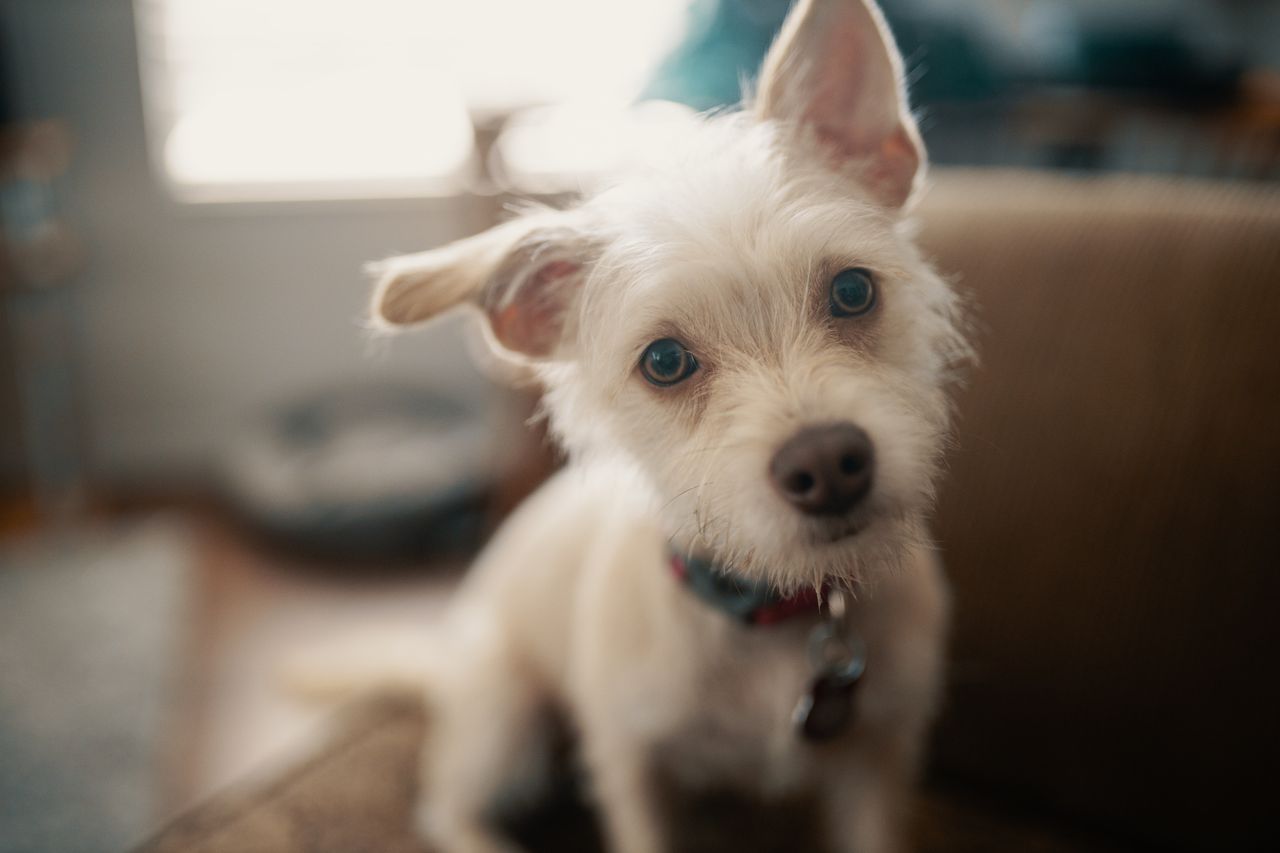
Your puppy's face can reveal a lot about their emotions. Soft eyes, relaxed ears, and a slightly open mouth usually indicate that your puppy feels comfortable and content. Puppies that are happy and relaxed often appear calm and approachable.
Direct staring can have different meanings depending on the situation. While gentle eye contact can be a sign of connection and trust, a fixed stare may indicate tension or uncertainty. Similarly, avoiding eye contact or looking away can be a sign that your puppy feels nervous or is trying to avoid conflict.
Understanding these small signals allows you to create a safer and more comfortable environment for your pet.
Recognizing Signs of Stress or Fear
Just like humans, puppies experience moments of stress and discomfort. They may show signs such as excessive licking, yawning, hiding, trembling, or suddenly becoming very quiet. Some puppies may also become less interested in playing or interacting when they feel overwhelmed.
New environments, unfamiliar people, loud noises, and changes in routine can all affect a puppy's confidence. Instead of forcing interaction, giving your puppy time to adjust can help them feel more secure.
The Importance of Play Behaviour
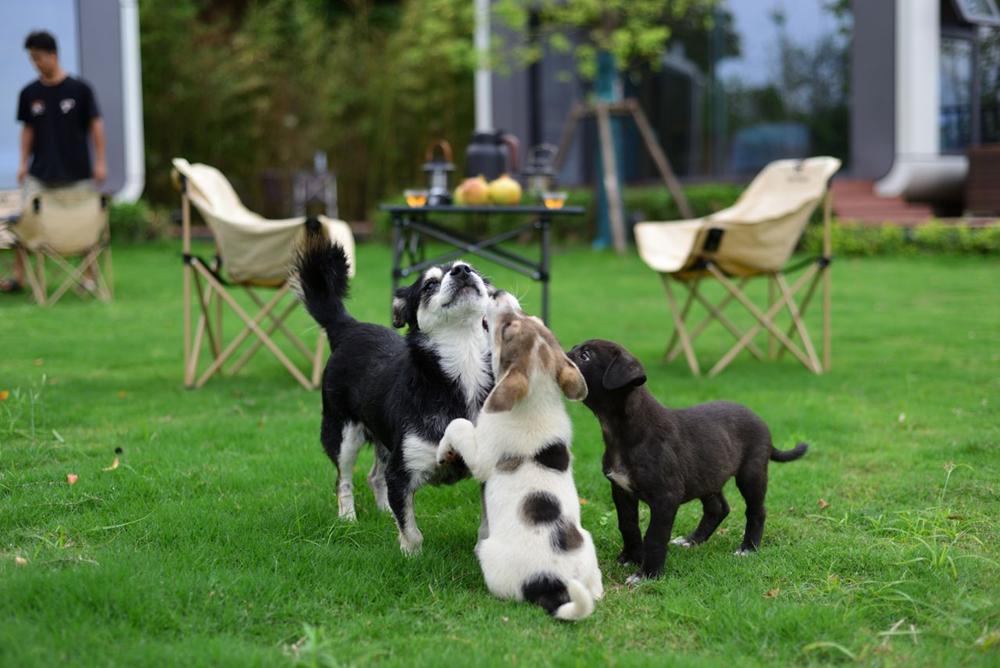
Play is an important part of puppy development and another way they communicate. A playful puppy may bow down with their front legs stretched forward while keeping their back raised. This "play bow" is a common invitation for interaction.
Puppies may also use gentle biting, chasing, or bringing toys to you as part of play. Teaching appropriate boundaries during these moments helps them develop good habits as they grow.
Creating a Stronger Bond Through Understanding
Understanding your puppy's body language requires patience and observation. Every puppy has a unique personality, and their signals may vary depending on their experiences and environment. The more time you spend with your puppy, the easier it becomes to recognize their individual behaviours.
Whether you are teaching basic commands, introducing new experiences, or simply spending time together, paying attention to body language strengthens your relationship. Even online businesses across different industries understand the importance of reading customer behaviour and creating positive experiences. Similar to how platforms such as crazyvegas focus on user engagement and satisfaction, puppy owners can create better connections by responding to their pets' needs and preferences.
A puppy that feels understood is more likely to become confident, well-adjusted, and trusting. By learning their silent language, you are not just improving communication—you are building the foundation for a lifelong friendship.
Conclusion
Understanding your puppy's body language is an essential part of responsible pet ownership. While puppies cannot explain how they feel with words, their movements, expressions, and behaviours provide valuable clues about their emotions and needs. By paying attention to these signals, owners can respond more effectively, reduce stress, and create a safer environment for their pets.
Building this understanding takes time, patience, and consistent observation. Every puppy has its own personality, and learning their unique ways of communicating helps strengthen the connection between owner and pet. A puppy that feels understood is more likely to develop confidence, trust, and positive behaviours. By taking the time to listen without words, you can create a happier and healthier relationship that lasts throughout your dog's life.