Traveling to Texas with a Dog: What Pet Owners Should Know Before the Trip
Traveling to Texas with a dog can be a fantastic experience, especially for pet owners who enjoy road trips, outdoor recreation, patio dining, and exploring wide-open spaces. Texas is filled with dog-friendly parks, hiking trails, small towns, and travel stops, but the state’s size and climate also create challenges that visitors should prepare for before arriving. From extreme summer heat to long highway stretches between cities, traveling with pets in Texas requires more planning than many first-time visitors expect. Whether you are flying into Dallas, driving across West Texas, or spending time along the Gulf Coast, understanding Texas-specific pet travel conditions can make the trip safer and more enjoyable for both you and your dog.
Texas Heat and Climate Can Be Dangerous for Dogs
One of the biggest adjustments for visitors traveling with dogs in Texas is the heat. During late spring and summer, temperatures regularly climb above 95 degrees in many parts of the state, especially in cities like Houston, Dallas, Austin, and San Antonio. Hot pavement can quickly burn paw pads, particularly on asphalt parking lots, sidewalks, and highway rest stops. Even short walks during the afternoon can become dangerous for dogs that are not accustomed to extreme temperatures. Early morning and evening walks are usually the safest option during hotter months. Pet owners should also carry:
- extra water,
- collapsible bowls,
- cooling towels,
- and shaded seat covers for vehicles.
West Texas desert areas such as Big Bend can become especially harsh during summer afternoons. Meanwhile, Gulf Coast humidity can make dogs overheat faster because they cannot cool themselves efficiently through panting alone. Never leave a dog inside a parked vehicle in Texas, even for a short period. Interior temperatures can rise rapidly and create life-threatening conditions within minutes.
Long Texas Road Trips Require More Planning
View this post on Instagram
Texas is much larger than many visitors realize. Driving from Dallas to Big Bend National Park can take more than eight hours, while Houston to El Paso takes roughly ten hours without major stops. Because of these long distances, pet owners should build extra breaks into their schedules. Most dogs need bathroom, hydration, and movement breaks every two to three hours during extended drives. Texas highways do offer many convenient roadside stops, but some rural stretches — especially in West Texas and South Texas — may have limited services for long periods. It is smart to:
- refill water supplies often,
- keep extra pet food in the car,
- and avoid waiting until the last minute for gas or rest stops.
Many travelers with dogs also plan routes around Buc-ee’s locations because the large travel centers typically include grassy walking areas and outdoor pet-friendly spaces.
Pet-Friendly Parks and Outdoor Destinations Across Texas
View this post on Instagram
Texas has a strong outdoor culture, and many parks welcome leashed dogs on trails and campgrounds. Some of the most popular dog-friendly outdoor destinations include:
- Garner State Park near Concan,
- Pedernales Falls State Park near Johnson City,
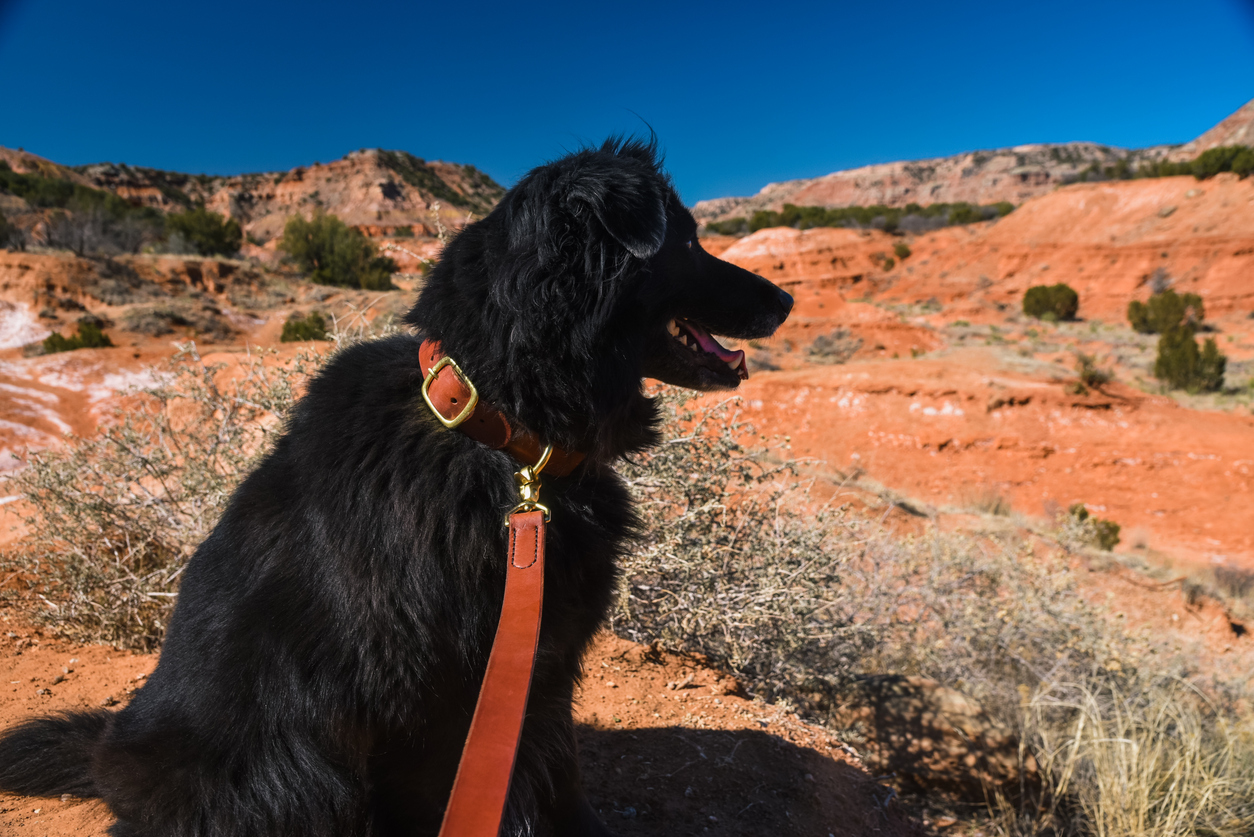
- Palo Duro Canyon State Park near Amarillo,
- Lady Bird Lake Trail in Austin,
- and White Rock Lake Park in Dallas.
Many state parks allow dogs on hiking trails as long as they remain leashed, though pets are usually restricted from swimming areas, buildings, and certain protected habitats. For beach travel, Padre Island National Seashore and parts of the Texas Gulf Coast also allow dogs. Owners should watch for hot sand, jellyfish, sharp shells, and dehydration during coastal visits. Hiking in Texas also comes with wildlife considerations. Depending on the region, dogs may encounter:
- snakes,
- fire ants,
- cactus spines,
- burrs,
- or coyotes.
Checking paws after hikes is especially important in dry or rocky areas.
Texas Rabies Laws and Vaccination Requirements
Texas law requires dogs to be vaccinated against rabies by 16 weeks of age. Visitors bringing dogs into the state should carry updated vaccination records, especially if staying at hotels, campgrounds, boarding facilities, or RV parks that may request documentation. For airline travel, many carriers also require a recent health certificate issued by a licensed veterinarian before departure. Cities and counties across Texas may have different licensing and leash requirements. In urban areas like Dallas, Fort Worth, Austin, and Houston, leash laws are generally enforced in public parks and outdoor spaces. Microchipping is also highly recommended for travelers visiting unfamiliar areas or large outdoor recreation zones.
Flying Into Texas With a Dog
For visitors flying into Texas, the main pet-friendly airports include:
- Dallas Fort Worth International Airport,
- Austin-Bergstrom International Airport,
- George Bush Intercontinental Airport in Houston,
- and San Antonio International Airport.
Most major airports in Texas now include designated pet relief areas both inside and outside terminals. Airlines have different size restrictions, carrier requirements, and pet fees, so owners should confirm policies well before departure. Summer travel can become especially complicated because some airlines restrict pet cargo transport during periods of extreme heat. Crate training before flying is important because unfamiliar airport environments can create anxiety for many dogs. Bringing familiar blankets, toys, and water bowls can help reduce stress during flights. For shorter Texas trips, many travelers prefer driving because it allows more flexibility with rest stops, feeding schedules, and bathroom breaks.
Finding Pet-Friendly Hotels and Restaurants in Texas
View this post on Instagram
Texas has become increasingly pet-friendly in recent years, especially in larger cities and tourist destinations. Many hotel brands throughout the state now allow dogs, including:
- La Quinta,
- Kimpton Hotels,
- Motel 6,
- Drury Hotels,
- and many Hyatt properties.
Vacation rentals and cabin rentals near Hill Country rivers, state parks, and lakes also frequently accommodate pets. Texas patio culture makes outdoor dining easier for dog owners compared to many other states. Restaurants in Austin, Dallas, Fort Worth, Houston, and San Antonio commonly allow dogs in outdoor seating areas. Some popular dog-friendly patio destinations include:
- The Rustic in Dallas,
- Cosmic Coffee + Beer Garden in Austin,
- Little Woodrow’s locations across Texas,
- and several brewery patios throughout the Hill Country.
Always check restaurant policies before visiting because patio rules can vary by city and business.
Emergency Vet Planning Matters in Rural Texas
One of the most overlooked parts of traveling through Texas with a dog is emergency veterinary planning. Major cities have numerous 24-hour emergency animal hospitals, but rural areas may have very limited veterinary access after normal business hours. This becomes especially important when traveling through remote regions such as:
- West Texas,
- the Big Bend area,
- rural Hill Country,
- or isolated Gulf Coast communities.
Before leaving, travelers should save emergency veterinary locations along their route. Keeping a printed copy of vaccination records and medical information can also help during emergencies. A basic pet first-aid kit should include:
- tweezers,
- gauze,
- antiseptic wipes,
- paw protection,
- medications,
- and emergency contact numbers.
Heat exhaustion, dehydration, cuts from rocky trails, and paw injuries are some of the more common issues dogs experience during Texas outdoor trips.
Conclusion
Traveling to Texas with a dog can be an incredible experience for pet owners who enjoy road trips, outdoor recreation, camping, patio dining, and exploring the state’s wide variety of landscapes. From Hill Country rivers and Gulf Coast beaches to desert parks and urban trails, Texas offers countless places where dogs can be part of the adventure. At the same time, the state’s intense heat, long driving distances, and rural stretches require more preparation than many travelers expect. Planning ahead with hydration supplies, vaccination records, pet-friendly lodging, and emergency veterinary information can make the trip far safer and more comfortable. With the right preparation, Texas can become one of the most rewarding travel destinations for both dogs and their owners.