Is Your Dog Limping? A Helpful Guide for Concerned Pet Parents
When our beloved canine companions start to limp, it’s natural for us to worry. Limping—often termed lameness—is a dog's way of signaling that something isn't quite right. It could arise suddenly or develop gradually, but what could be the cause, and when should you be worried?
From minor injuries to more serious health concerns, there are numerous potential causes for a limp. By understanding these causes, you can take swift and proper action, often aiding in your dog's faster recovery.
Could It Be Joint Health?
Before jumping to conclusions, consider a frequently overlooked factor: joint health. Like humans, dogs can endure stiffness, inflammation, or pain in their joints, particularly as they age or after vigorous activity.
Nutritional support for joint health can lower the chances of limping due to inflammation or long-term wear and tear. Increasing numbers of pet owners are incorporating dog joint supplements into their dog’s routines as a preventive measure.
Ingredients such as glucosamine, chondroitin, turmeric, and omega-3 fatty acids are commonly found in these supplements, and they are known to aid mobility and ease joint cushioning. For dogs with a history of stiffness or breed-related joint concerns, a daily soft chew might make all the difference.
Common Reasons Dogs May Limp
Limping isn’t a condition in itself—it’s a symptom that could affect any of the legs, presenting in various ways. Your dog might avoid placing weight on the affected limb, exhibit an uneven gait, or appear stiff after resting. Here are common culprits:
- Small Paw or Leg Injuries Debris such as thorns, splinters, or sharp gravel can become lodged in paw pads or between toes, causing discomfort with each step. You might also notice swelling, licking, or visible bleeding.
- Sprains and Strains Running, jumping, or sudden twisting during play can lead to minor sprains or pulled muscles. These soft tissue injuries generally cause a mild limp and some tenderness and are usually managed with rest and gentle care.
- Joint Issues Chronic conditions like arthritis, hip dysplasia, or elbow dysplasia may develop gradually but often worsen over time. Larger breeds, ageing dogs, and certain genetic lines are more susceptible. Limping might worsen after resting but improve slightly with movement.
- Fractures or Dislocations Severe injuries, like fractures or dislocations, usually result in intense pain and an inability for the dog to bear weight on the affected limb. Veterinary intervention is crucial in such scenarios.
- Infections or Inflammation Swelling, redness, and heat around a joint or paw might indicate an infection, stemming either from a wound or a systemic condition. Tick-borne diseases, such as Lyme disease, can also lead to limping.
- Neurological Concerns Less commonly, limping might not originate from the leg itself but from a nerve-related problem. Spinal injuries, slipped discs, or neurological diseases can impact a dog’s movement and coordination.
When to Consult a Vet
Some limps are minor and resolve with simple rest, while others may indicate something more serious. Consider seeing a vet if:
- Limping persists beyond 24–48 hours
- Your dog vocalises pain or refuses to walk
- There's noticeable swelling, heat, or an evident injury
- The limb appears deformed, or your dog is unable to bear any weight
- Additional symptoms such as fever, lethargy, or changes in appetite are present
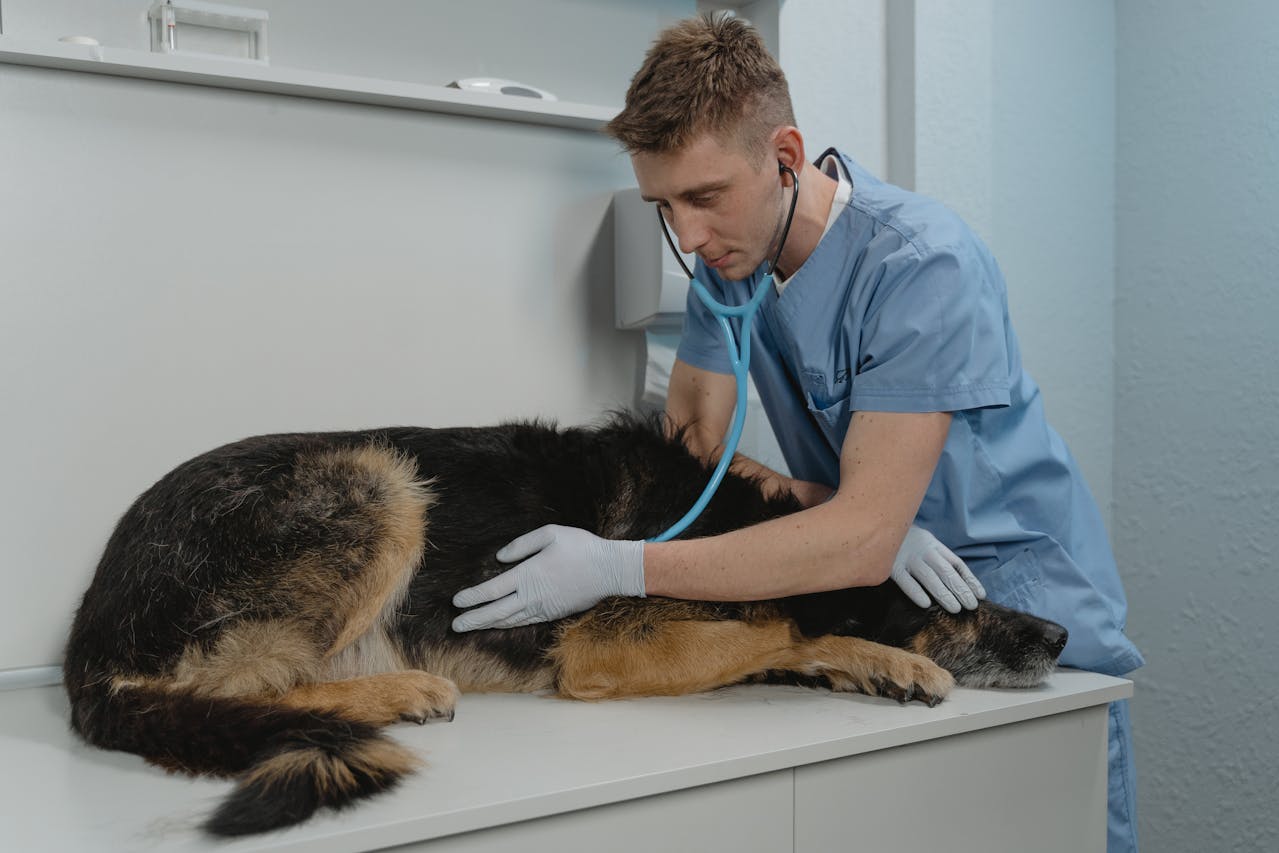
When uncertain, a visit to the vet is the safest option. Early detection of joint problems or injuries can improve outcomes and reduce the risk of lasting damage.
First Aid and Home Treatment
For minor limps where your dog seems otherwise normal, some basic first-aid measures can be helpful:
- Inspect the Paw: Look for foreign objects, cuts, or insect bites. Clean minor wounds with saline or pet-friendly antiseptic and remove any debris with tweezers.
- Implement Rest: Restrict your dog’s activities for a few days. Avoid jumping, long walks, or fetch games. Keep toilet outings short and on a lead.
- Use Cold Therapy: A wrapped ice pack can help with swelling during the first 24 hours. Apply for 10–15 minutes several times a day, if your dog allows.
- Monitor Improvement: Noticeable improvement is promising. If the limp persists or worsens in two days, consult your vet.
Long-Term Prevention and Management
Limping doesn’t always spell serious trouble, but if it recurs, it might indicate a need for lifestyle adjustments. Consider these measures to prevent future issues:
- Keep Your Dog at a Healthy Weight: Excess weight places extra stress on joints and muscles. Provide a balanced diet and monitor portion sizes.
- Offer Low-Impact Exercise: Gentle walks, swimming, and controlled play are excellent for maintaining muscle tone without overloading joints.
- Maintain Nail and Paw Health: Overgrown nails can alter your dog’s posture and movement, causing strain. Keep them trimmed and paws clean.
- Use Joint Supplements: As mentioned, adding scientifically formulated chews to your dog's diet can provide long-term support, especially for breeds prone to joint conditions or senior dogs.
What If the Limp Comes and Goes?
Intermittent limping can be difficult to diagnose. Dogs are adept at masking pain, so they might hide discomfort until it intensifies. A limp that appears after exercise, for instance, could indicate early-stage arthritis or ligament strain. Keeping a record of when it happens, how long it lasts, and potential triggers can aid your vet in making a precise diagnosis.
Final Reflections
While limping can be unsettling, it’s usually your dog’s way of asking for assistance. Whether it’s a painful pebble, an aching joint, or something more severe, paying attention and acting promptly can make a significant difference.
Fostering your dog’s mobility through rest, suitable exercise, and nutritional support can prevent many problems before they arise. For those seeking to sustain long-term joint health, joint-supporting soft chews and plant-based options are now widely available and well-accepted by dogs of all sizes.
For further insights and advice on canine welfare, nutrition, and mobility, the team at Omni Pet provides expert-backed recommendations to help your dog enjoy an active, pain-free life.