How to Train Pets to Avoid Carpet Damage

Is your beloved pet turning your carpet into their personal playground? You are not alone. When they’re bored, anxious, or reacting to their surroundings, many animals will scratch, chew, or have accidents on rugs.
The good news is that you can keep your furry friend happy and protect your floor coverings with the right training.
Let's look at the most efficient methods which will save your floors and keep your furry babies happy!
Identify The Triggers
Careful observation is the first step. You need to understand exactly why your pet is damaging the carpet. Observe their daily routines and notice what triggers anxiety or excitement in them.
Your pet's behaviour could be a reaction to feeling lonely, anxious, or to changes in their surroundings, such as unfamiliar people or sounds. Taking notes about these behaviours will reveal important patterns.
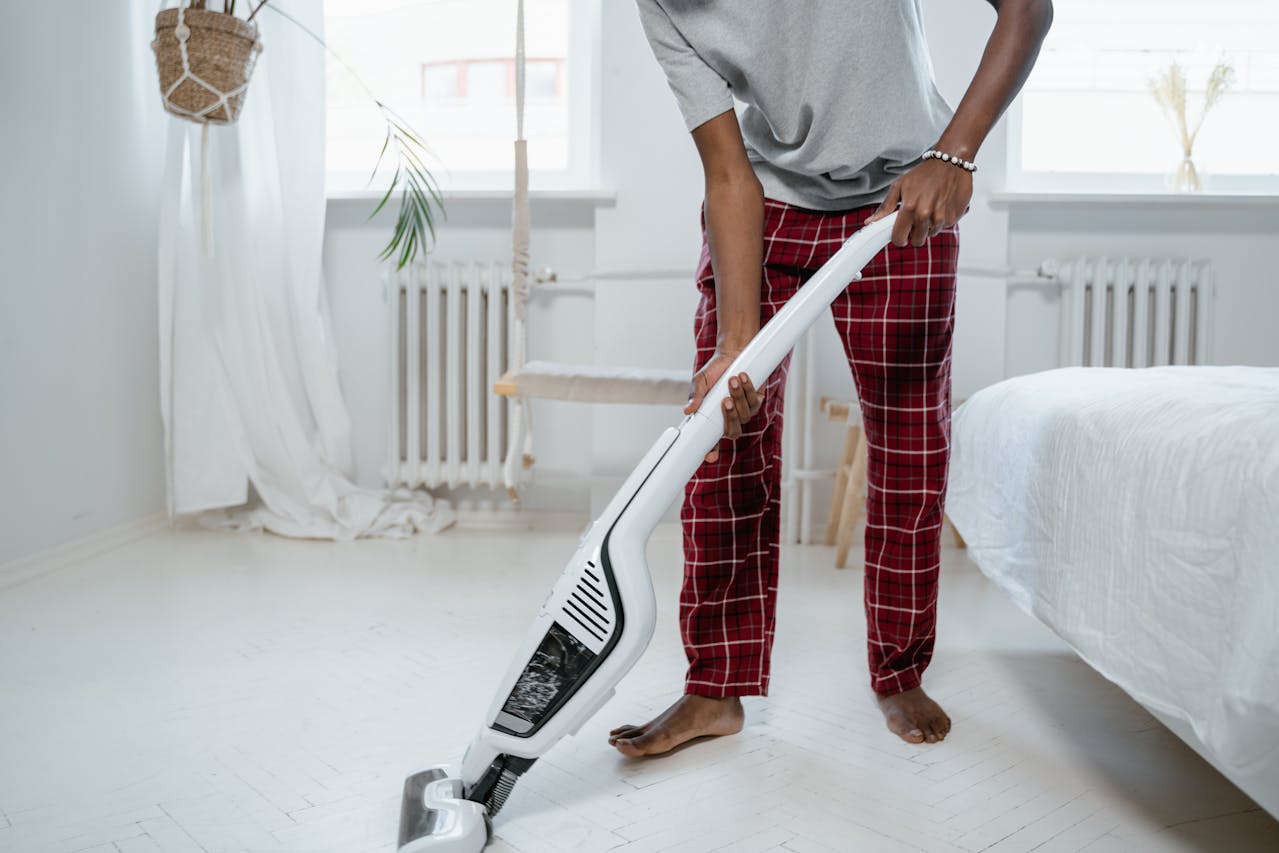
For example, if your pet acts out when you vacuum, the noise could be triggering their stress response.
Once you spot these patterns, you will know exactly what needs to be addressed. While it takes time to figure things out, the insights you gain will make training much more successful.
Better still, you will be able to share these valuable insights with other pet owners facing similar challenges.
Create a Designated Play Area
Setting up a special space for your animals is the perfect way to protect your carpets while giving them the freedom to be themselves. Think of it as creating their own recreational spot.
Baby barriers or secure partitions are great for designating a protected area where your pets can play without putting your rugs at risk. The more engaging their space is, the less interested they’ll be in your carpets.
Provide them with toys and activities that will hold their attention for longer periods.
Include stimulating puzzle toys, durable chew toys that satisfy their instincts, and intriguing play items that pique their curiosity. The more alluring their place is, the less their focus will be towards your flooring.
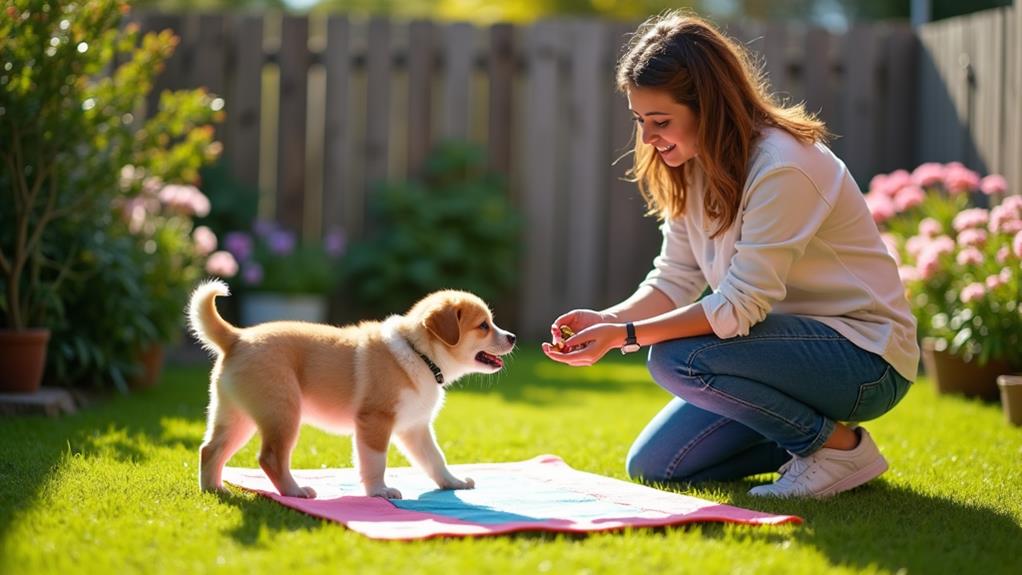
Keep things interesting by swapping out toys regularly. This simple trick will keep the place fresh and exciting. It’s also a good idea to add a cosy bed as well as puppy pads to avoid unwanted accidents and offer them a place where they can relax.
Use Positive Reinforcement
Positive reinforcement is the secret to successful pet training. When they stay away from the rugs, give them a treat or plenty of enthusiastic praise straight away.
This quick reward system helps your animals connect good choices with happy outcomes. Soon enough, they will choose better behaviours all on their own. Here are some proven hacks you can try out:
- Keep those treats ready. Having food and rewards handy means you will never miss a chance to reinforce good behaviour.
- Stay consistent. When your pet makes good choices, reward them right away. This will help them understand exactly what they did right.
- Make training fun and exciting. An energetic, upbeat atmosphere will transform training into an adventure that your companion will eagerly join.
Provide Alternatives
If you want happy pets and rugs that aren’t shredded to bits, make sure there are plenty of toys and scratching posts to keep them busy.
Dogs prefer durable chew toys, whereas cats simply can’t resist vertical scratching posts. While sisal posts are a classic choice, add variety with corrugated cardboard scratchers, hanging pads for doors, and multi-level cat trees.
You can also sprinkle some catnip on these new surfaces to make them appealing. Pay attention to what your pets actually use, and get more of the same.
The goal is to keep them off the carpets by providing them with fun, engaging alternatives that they’ll keep coming back to.
Implement Training Commands
Teaching your furry companions to understand and respond to specific verbal cues makes protecting your rugs easier. Clear instructions can go a long way in communicating your expectations effectively.
To teach them the pause command, place a small snack on the ground and cover it with your palm. As soon as they step back, offer an even tastier treat as a reward.
Speak in a clear, steady voice—firm but never harsh. Before long, your pet will recognise this distinct sound as a cue to shift their attention.
Conduct training in short, engaging sessions lasting 5-10 minutes. This approach keeps your pet interested without wearing them out. To keep things fun, mix up the rewards: treats, toys, and plenty of praise all do the trick.
Practise the commands in different spots around your home. Begin in quiet areas with minimal distractions, then gradually move to busier areas, such as near the front door, in the kitchen, or when other people are present.
This helps your pet learn to focus, no matter what's happening around them.
Use Deterrents Wisely
Numerous pet-friendly tools and tricks can help keep them out of areas they shouldn't be in.
For instance, natural deterrent sprays with citrus, bitter apple, or lavender can help discourage unwanted attention, as most pets instinctively avoid them.
Always test any spray on a small, hidden area to ensure it won't affect your carpet or damage the fabric.
Pet-safe adhesive strips can also work well. They create a slightly sticky surface that pets dislike walking on, encouraging them to avoid the area without causing harm.
Place these barriers in trouble spots, and at the same time, make play zones more tempting with soft bedding, fun toys, and safe chew options.
You should also consider using physical barriers, such as plastic runners or mats. These will naturally guide your pet’s attention toward spaces where they’re welcome.
Maintain Clean and Healthy Carpets
Even with well-trained pets, your carpets need regular maintenance. Using a professional carpet cleaning service helps remove deep-seated odours, stains, and allergens.
So schedule those carpet cleaning sessions every six months to maintain a fresh, hygienic environment. In the meantime, vacuum regularly and clean up any accidents straight away with pet-safe products.
Protective treatments can also help. These create a barrier that resists staining and makes spills easier to manage. They also provide an extra layer of defence against unexpected scratching incidents.
To trap floating fur and dander, place air purifiers in areas with carpeting. This is an easy way to manage shedding and extend the time between deep cleans.
Monitor Progress and Adjust
Pay attention to what works best for your pet and be prepared to adjust things as needed. Taking notes helps you spot patterns and fine-tune your approach.
Remember, every pet learns at its own pace and in its own way. So, celebrate small wins—they will add up to big changes over time.
Stay patient as you work with your pet. Building new habits takes time, but the results are absolutely worth it.
Conclusion
The scratch marks in the hallway will stop once you implement these tips. A treat for ignoring the rug, a gentle cue when needed—it’ll all start to click soon.
Your furry friend will love these new changes, and your carpets will thank you. Start now and remember that consistency is your best tool.