How Do You Make Puppy Pee in One Place?
To make your puppy pee in one place, start by picking a low-traffic, appealing potty area. Choose a comfortable surface like grass or gravel and be consistent with guiding your puppy there. Use a specific command like "potty" and reinforce it with praise and treats immediately after they go. Keep the area clean to guarantee it remains inviting, but leave a small amount of waste to mark the spot. Pay attention to your puppy's signals to predict when they need to go, and supervise closely to avoid accidents. Incorporating these steps can lead to more effective puppy training success.
Choosing the Right Spot
When you're training your puppy to pee in one place, often the initial step is choosing the right spot. Start by picking a designated potty area in your yard that's low-traffic and spacious—at least five times the length of your puppy. This gives them ample space to sniff around and feel comfortable. It's crucial to select a surface your puppy finds appealing, like grass, mulch, or gravel. These soft, absorbent materials can make the spot outside more inviting and encourage regular use.
Consider any existing preferences your puppy might have for certain areas of the yard. If they've shown a tendency to relieve themselves in a specific spot already, that might be an ideal choice for your designated potty area. Make sure this location is easily accessible so your puppy can get there quickly when nature calls, and it doesn't interfere with other plans you have for yard use. This accessibility will help keep your dogs consistent with their potty training routine.
Maintaining Cleanliness
Keeping the designated potty area clean is essential for successful puppy training. When you maintain cleanliness, your puppy is more likely to use the designated spot consistently, rather than seeking out alternative locations. Regularly clean the area to prevent waste accumulation; a dirty spot might lead your puppy to avoid it and choose other areas in the yard. This not only disrupts training but can make cleanup more challenging.
To encourage use, leave one pile of waste in the designated spot. This helps indicate where your puppy should go. However, make sure to clean the area frequently with enzyme-based cleaners. These cleaners are effective at eliminating odors, which is significant since lingering smells can confuse your puppy and lead to off-target elimination. By eliminating odors, you reinforce the right habits and maintain a healthier environment for both your puppy and your yard.
Training With Commands
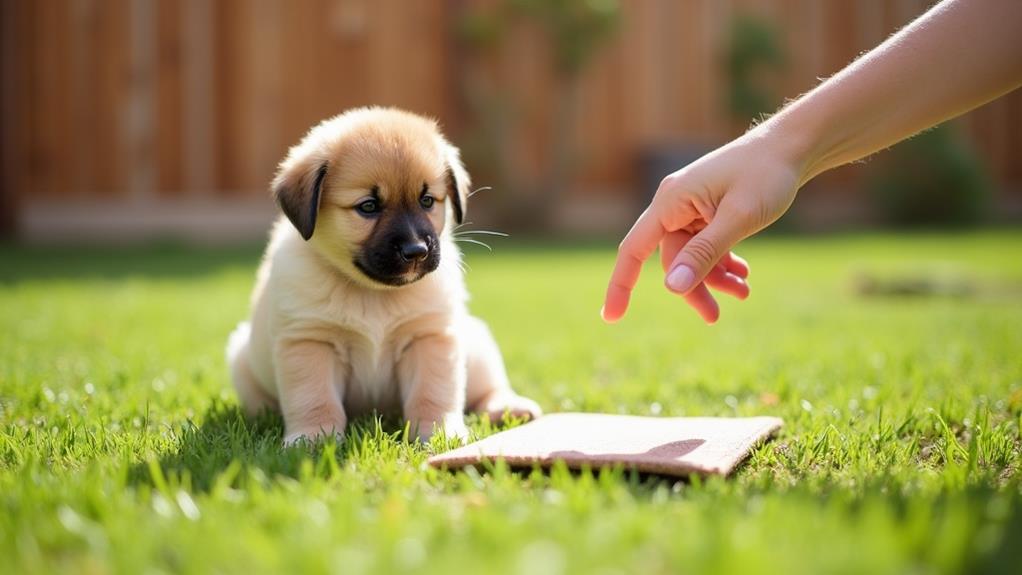
Training your puppy with commands can greatly simplify the process of teaching them to pee in one place. Start your dog training by introducing a specific cue word, like "potty." This verbal command helps your puppy understand when it's time to head to the designated area. Consistency is essential here. Use a leash to guide your puppy to the potty spot every time, reinforcing the connection between the cue word and the action.
Once you're at the designated area, patiently wait for your puppy to relieve themselves. When they do, immediately offer praise and rewards. This positive reinforcement will help your puppy associate using that spot with receiving a reward, strengthening the desired behavior. Remember, only give rewards after using the cue word, ensuring your puppy links the command with the action of peeing in the correct spot.
Repetition is important for success. Practice the command and routine multiple times a day. This consistency will engrain the behavior in your puppy's mind, making it second nature over time. With patience and persistence, you'll establish a reliable routine, making the process smoother and more effective for both you and your puppy.
Confining to Designated Area
Confining your puppy to a designated area is a practical strategy to establish a consistent potty spot. By using a leash or temporary fencing, you can effectively limit your puppy's exploration and focus their attention on a specific potty area. Make sure the space is large enough for them to stand, lie down, and turn around comfortably, but restrict movement to prevent wandering off.
When you bring your puppy to the designated potty area, stand with them until they relieve themselves. This helps reinforce the association between the area and the act of going potty. While doing so, use a specific command like "potty" to create a verbal cue. Over time, this command will signal to your puppy that it's time to eliminate.
Be patient and consistent. Only release your puppy from the confined space after they successfully go potty in the designated area. This reinforces the desired behavior, teaching them that relieving themselves in this spot leads to more freedom. By repeating this process, you'll help your puppy understand where and when they should go potty, laying a strong foundation for their potty training success.
Rewarding Positive Behavior
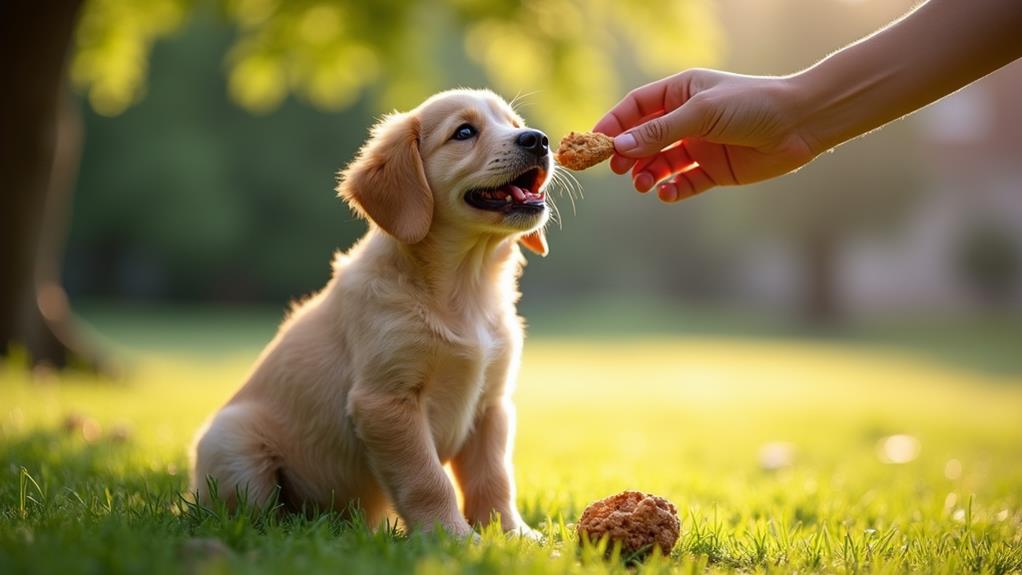
Praising your puppy immediately after it successfully uses the designated potty spot is vital for reinforcing positive behavior. As soon as your puppy finishes urinating in the right place, use a cheerful tone to praise your puppy and offer a small treat. This immediate reinforcement helps your puppy associate the action with a positive outcome. Consistency is key—each time your puppy uses the correct spot, be certain to reward it. This consistent rewarding of positive behavior builds a strong connection in your puppy's mind between urinating in the designated area and receiving a reward.
Incorporate a specific cue word like "potty" every time you take your puppy to the designated potty spot. Repeating this cue word and rewarding successful elimination helps your puppy begin to associate the word with the action, making it easier for your puppy to understand what's expected. Varying the types of rewards you give, such as treats, playtime, or affection, keeps your puppy motivated and engaged. Remember, timing is critical. Confirm that rewards are given immediately after your puppy finishes eliminating. Delaying the reward can confuse your puppy about which behavior is being reinforced.
Understanding Puppy Signals
Catching on to your puppy's signals is crucial for successful potty training. Recognizing when your dog needs to pee can make all the difference in guiding them to the designated potty spot. Puppies often give subtle signals like sniffing the ground, circling, whining, or even scratching at the door. By staying alert to these behaviors, you can promptly lead your puppy to the right place before any accidents occur.
Keep a close eye on your puppy's actions, especially after meals, drinking, or waking up from a nap. These times are prime opportunities for them to need a bathroom break. The average puppy can hold their bladder for about one hour per month of development, so understanding this guideline helps in planning effective potty training routines.
Sometimes, your puppy might show restlessness or an abrupt shift in energy levels when they need to relieve themselves. Paying attention to these signs is key to successfully training your dog to pee in one spot. By consistently observing and responding to your puppy's signals, you'll reinforce the desired behavior and make the training process smoother and more efficient. Stay vigilant and your puppy will soon master their potty training!
Troubleshooting Issues
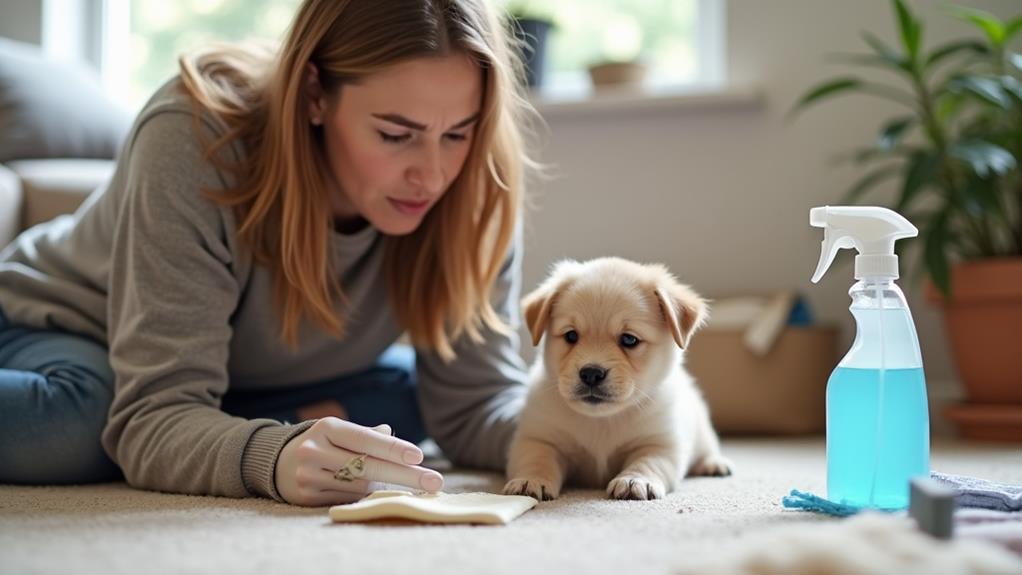
Potty training a puppy can be challenging, and you might encounter some common issues along the way. If your puppy is consistently eliminating outside the designated spot, try increasing supervision. Keep an eye on them, and use a leash to guide them to one area more frequently. This approach helps reinforce where they should go. Shy pups might need some extra encouragement. Allow your puppy to investigate the yard on a longer leash without interaction. This can enhance their comfort level with the designated spot.
For puppies who are marking, cleaning thoroughly with enzyme-based cleaners is vital. These cleaners remove odors that might tempt them back to the wrong areas. If your puppy seems unsure about where to go, placing a small amount of their previous waste in one area can signal it's the right spot. These helpful tips can make a difference in their training.
Planning for Absences
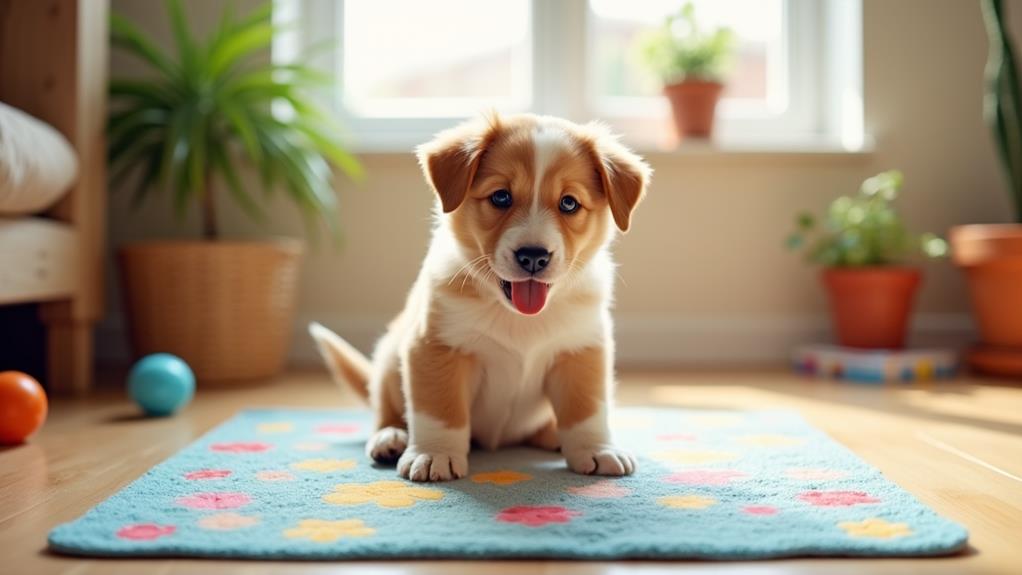
Leaving your puppy alone can be a challenging task, especially when you're working on their potty training. It's essential to set up a designated potty area with pee pads or newspapers. This encourages your puppy to eliminate in the same spot each time. If possible, arrange for a pet sitter or a friendly neighbor to take your puppy out for bathroom breaks every few hours. This helps prevent accidents indoors and keeps their training consistent.
To further encourage this habit, gradually reduce the number of pee pads over several days. This will nudge your puppy to rely more on the designated potty area rather than scattering their business in multiple spots. Pay close attention to their behavior and adjust the number of pads based on how comfortably they use the designated area when you're not around.
During longer absences, consider using a crate or a confined space. This can help reinforce the habit of using the designated potty area when you return. Crate training not only aids in preventing accidents indoors but also teaches your puppy to hold their bladder until it's time for a bathroom break. This approach fosters positive potty habits effectively.